Thoughtful design is helping four mission-driven organizations support their communities. Could it help yours?
In architecture for associations and organizations, the stakes go far beyond aesthetics. Thoughtful design has the power to improve human experience while improving operations and mission alignment. For organizations serving vulnerable populations, the built environment is never neutral. Space can either reinforce stress and trauma or become an active support system that improves outcomes.
In Texas, four innovative workplaces—Metrocrest Services, The Houston Alumni and Youth (HAY) Center, Pursuit Center, and Covenant House Texas—demonstrate how thoughtful design can restore dignity, foster inclusion, and enable an association to support an individual’s well-being. These projects embody a shared design philosophy rooted in dignity and holistic support. Each space reflects a deep understanding of human needs and aspirations through early stakeholder engagement, programming, and intentional design choices in layout and materials. As the association sector increasingly recognizes the power of space in shaping outcomes, these workplaces offer a blueprint for designing with empathy to better achieve organizational missions.
Designing for Dignity and Empowerment
Empowerment begins with autonomy and respect, and architecture can deliver both. For organizations providing housing services to vulnerable populations, creating spaces that help residents build routines and support self-sufficiency can support long-term success and independence.
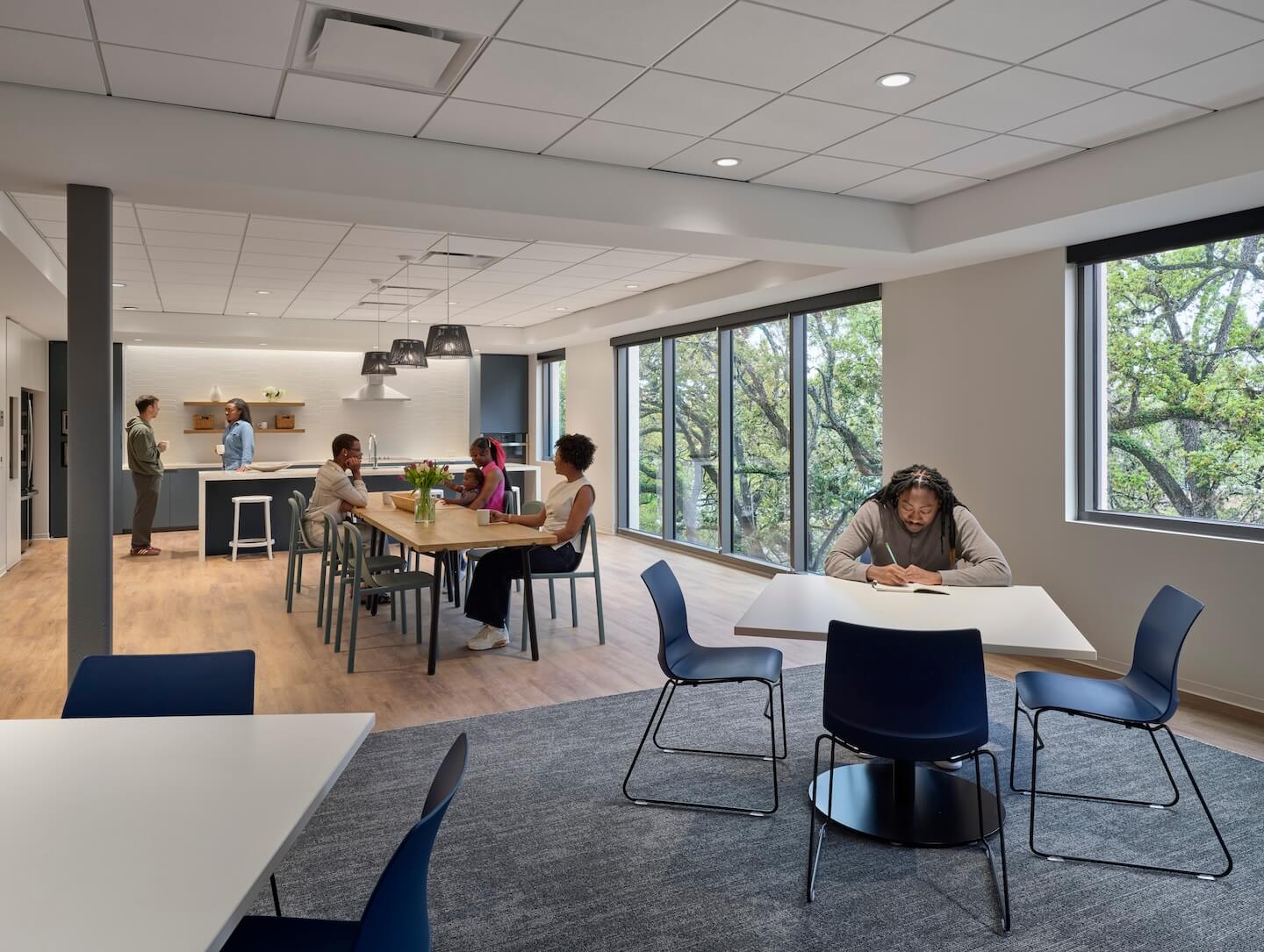
At The HAY Center, young adults aging out of foster care receive private residential units that offer independence while maintaining access to shared spaces that promote community. Covenant House Texas provides secure, welcoming environments where homeless youth can reclaim control over their lives. The Pursuit Center celebrates the identities of individuals with intellectual and developmental disabilities through spaces that promote choice, accessibility, and pride.
Metrocrest Services also shows how design can propel an organization’s vision. Guided by its commitment to a welcoming environment grounded in hope and dignity, the facility delivers holistic support - meeting basic needs, strengthening economic stability, advancing health and wellness, and elevating quality of life - while embedding equity and inclusivity to ensure access for all. The design team created a place that is playful yet comforting, colorful yet light and airy, and scaled to feel approachable and familiar. Inspired by the form of a home—a sloped-roof welcome sign, warm, relatable materials, and spaces that foster safety, belonging, and dignity. The design of each space is aspirational and inclusive, helping individuals feel supported and empowered.
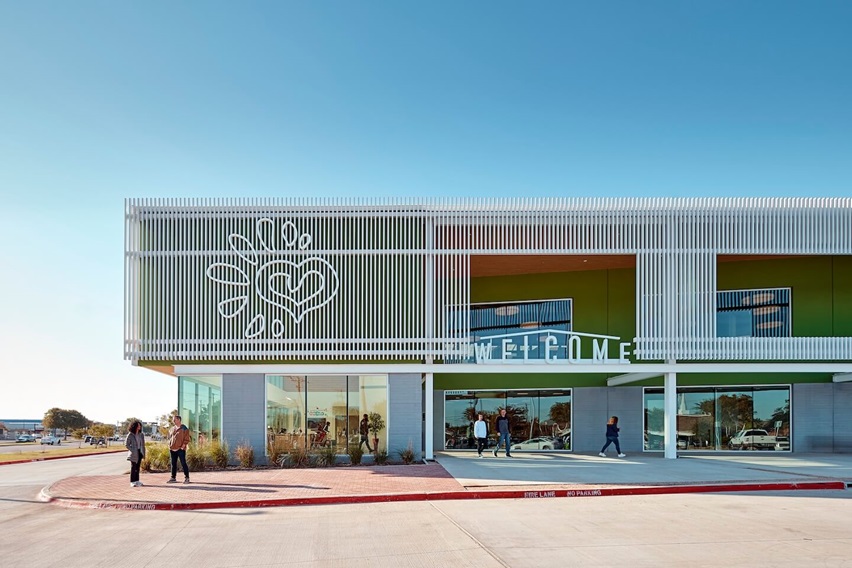
For association leaders, if your mission includes empowerment, ask whether your space offers real choice: where to sit, how to move, where to pause, and how to engage.
Trauma-Informed and Inclusive Design
Trauma-informed design recognizes that the environment can either trigger or soothe. Across all four projects, principles like safety, privacy, sensory sensitivity, and warmth are embedded in the architecture. Natural light, soft textures, secure layouts, and quiet zones create spaces that feel safe and restorative.
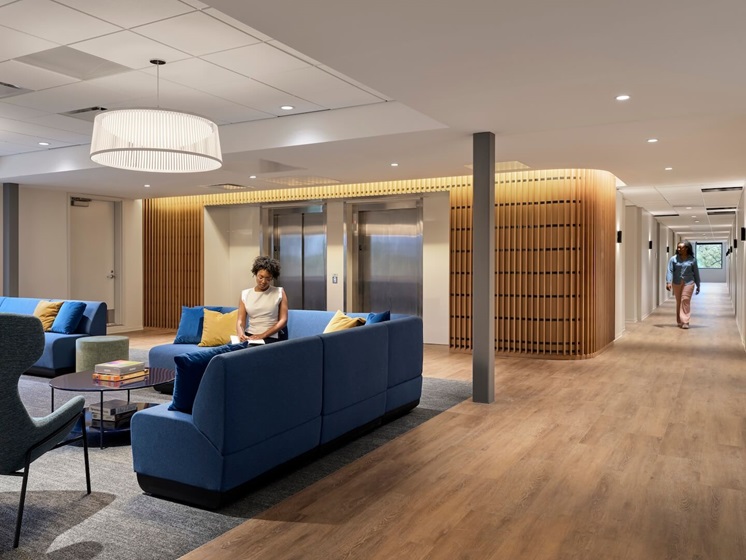
At Covenant House, outdoor courtyards and flexible use rooms offer refuge, while a material palette of soft textures, wood tones, and warm colors create calming interiors. The Pursuit Center includes sensory sensitive layouts and low contrast finish transitions that accommodate a range of physical and cognitive needs without stigma. These choices help users feel seen, respected, and supported. Sensitive layouts and low contrast finish transitions that accommodate a range of physical and cognitive needs without stigma. These choices help users feel seen, respected, and supported.
For associations examining the effectiveness of their workplace, consider your facility as part of your care model. Where can a visitor exhale? Where can staff reset in between difficult conversations? The best inclusive design doesn’t announce itself. It simply makes participation easier for everyone.
Multifunctional Spaces for Holistic Support
Healing and growth require more than physical shelter. True transformation requires services, community, and opportunity. Each workplace integrates flexible design solutions that accommodate hybrid work and shared educational, wellness, and social spaces to create a “one-stop” ecosystem. Early visioning sessions between organizations and design teams help ensure functional layouts and efficient adjacencies. Providing wraparound services under one roof improves effectiveness and expands services capacity, answering the familiar question of how to do more with less.
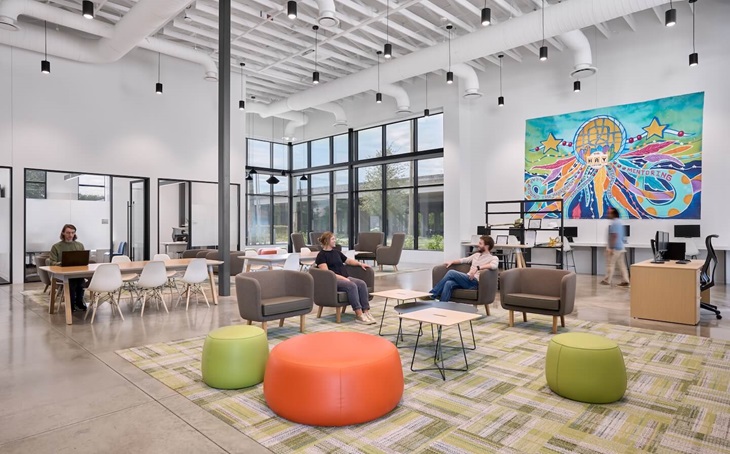
The HAY Center offers social services, job training, and life skills programs in one building, with a direct connection to the residential facility, which includes fitness and common spaces to support the transition to independent living. Covenant House integrates health services, counseling, creative outlets, and education across two levels connected by a central corridor and staircase overlooking the dining hall, promoting movement and connection. Metrocrest consolidates all program elements, from a donation warehouse to a storelike pantry and volunteer areas, into one multifunctional facility that serves clients and supports operations seamlessly.
Associations can reduce handoffs and travel time by designing adjacencies intentionally and using multifunction rooms strategically.
Designing for dignity, healing, and holistic support isn’t just good practice; it’s transformative. The HAY Center, Pursuit Center, Covenant House Texas, and Metrocrest Services show how architecture can be a tool for social impact. As associations and nonprofits evolve, these projects remind us: When we design with intention, we build futures.